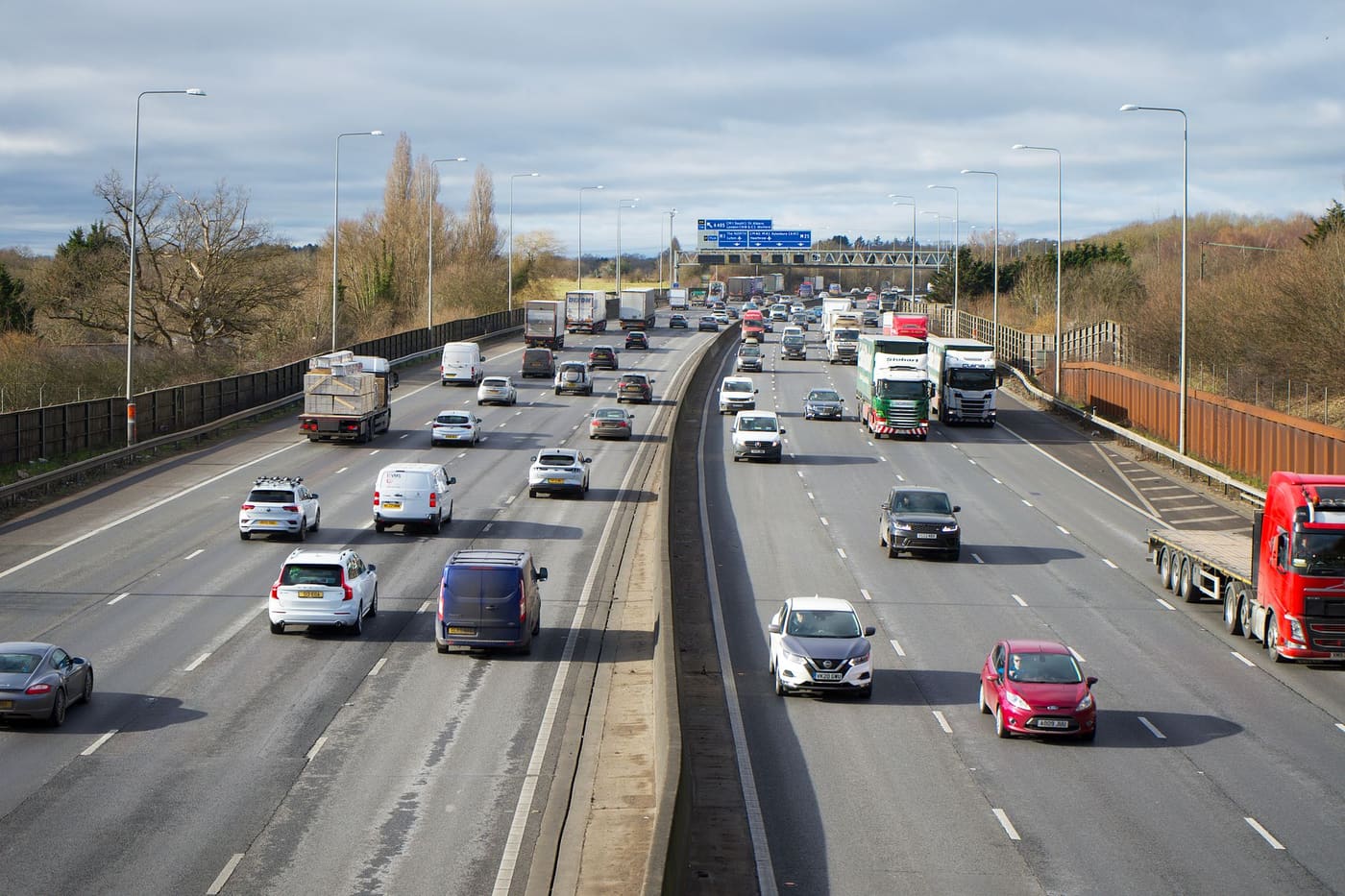
Auto liability limits should be chosen against what you could lose, not against what the law requires. State minimums are set by each state, vary widely, and are described by the National Association of Insurance Commissioners (NAIC) as usually not enough to protect you and your assets if you cause a serious accident. If damages exceed your limits, the people you injured can pursue you for the difference.
Liability coverage pays for injuries and property damage you cause to other people when you are at fault. It does not pay to repair your own car or treat your own injuries. This guide explains how limits are written, why gaps happen, and a way to think about the number, without telling you what your own policy should say. Requirements and terminology vary by state; your state insurance department is the authority on yours.
How liability limits are written
Auto liability is usually shown as three numbers, such as 50/100/50. They stand for:
- Bodily injury per person: the most the insurer pays for one injured person.
- Bodily injury per accident: the most it pays for all injured people combined.
- Property damage per accident: the most it pays for other people’s property, such as a car, fence, or storefront.
If damages exceed these limits, the other party can seek the difference from you personally. Depending on state law, that can mean a judgment against savings, liens, or garnished wages. Some policies use a single combined limit for all injuries and property damage from one accident, which can be more flexible because the money can be split as needed.
Why state minimums are usually too low
Most states require drivers to buy a minimum amount of liability coverage, and the amounts differ from state to state. Some states require no liability insurance in the usual way, and rules change, so check your state’s current requirement. The NAIC’s consumer auto guide says the state-required minimums are usually not enough to fully protect you, and advises buying more than the law requires if you could not afford to pay the difference yourself.
Why the gap is so easy to hit: vehicles cost a lot to replace, and injuries can generate large medical bills quickly. An ambulance ride, imaging, and a hospital stay can add up fast, and serious injuries with surgery and rehabilitation can reach very large amounts. A property damage limit that looked adequate on paper can be exhausted by a single late-model vehicle.
A hypothetical gap
Suppose a driver carries limits of 25/50/25 and causes a crash injuring two people and damaging an SUV. The amounts below are invented to show the mechanics.
| Item | Cost | Limit that applies | Uncovered |
|---|---|---|---|
| First person’s injuries | $120,000 | $25,000 per person | $95,000 |
| Second person’s injuries | $60,000 | $25,000 per person | $35,000 |
| SUV | $45,000 | $25,000 property | $20,000 |
| Total uncovered | $150,000 |
The driver would owe the uncovered amount personally, before lost wages, pain and suffering, or legal costs. The figures are made up, but the shape is realistic: one accident can outrun a minimum policy.
A way to think about your limits
There is no single right number, and an agent or attorney can discuss your situation. These are the factors people commonly weigh:
- Assets someone could reach in a judgment. Savings, investments, home equity, and other property. Some protections for homes and retirement accounts vary by state, so ask a lawyer rather than assume.
- Future income. A judgment can sometimes reach wages later, so a high earner has more exposed than the bank balance shows.
- How and where you drive. Heavy highway or urban driving, long commutes, and teen drivers raise exposure.
- The price of each step up. Ask for quotes at several limit levels. Raising limits is often one of the lower-cost changes available, but pricing varies by insurer and driver, so see the actual quotes.
If your exposure exceeds the highest limits an auto insurer will write, the next layer is an umbrella policy. When you need an umbrella insurance policy explains how it works. Umbrella insurers commonly require certain underlying auto limits first, according to consumer guides from the insurance industry and regulators, so the base policy matters.
Questions to ask before you finalize
- Are the limits split or a single combined limit?
- Does the policy cover household members, including teen drivers and anyone who regularly borrows a car?
- What happens if I use the car for rideshare, delivery, or other paid driving?
- Are legal defense costs paid on top of the limit or do they reduce it?
- What would the next limit up cost each month?
After an at-fault crash
Check on everyone and call emergency services if anyone is hurt. Exchange information and take photos. Report the accident to your insurer promptly, since late notice can complicate coverage. Do not admit fault or promise payment at the scene. If you receive a demand letter or lawsuit, send it to your insurer immediately, since a liability policy generally includes defense of covered claims. If a claim could exceed your limits, tell your insurer and any umbrella insurer, and consider speaking with an attorney about your own exposure.
Related coverages
- Uninsured and underinsured motorist coverage. The NAIC explains that uninsured motorist coverage reimburses you if an uninsured or hit-and-run driver hits you, and underinsured motorist coverage pays when an at-fault driver lacks enough insurance. Some states require it; others make it optional.
- Medical payments or personal injury protection. Covers medical bills for you and your passengers regardless of fault. Rules vary heavily by state, including in no-fault states.
- Collision. Pays to repair your own car after a crash, minus the deductible.
- Comprehensive. Pays for theft, hail, flood, falling objects, and hitting an animal, minus the deductible.
Collision and comprehensive are usually optional unless a lender requires them, and they do not substitute for liability. Your deductible choice affects their price, which the guide on whether a deductible is too high for your cash buffer can help you test.

Common mistakes
- Keeping the minimum because an earlier policy had it, without looking at current assets.
- Raising collision coverage while leaving liability low. Collision protects your car; liability protects your savings.
- Assuming someone else’s policy covers you when you borrow or rent a car. Check what your own policy extends to.
- Not updating limits after buying a home or growing savings.
- Treating a lower premium as a win when it leaves a large uncovered exposure.
Trade-offs and cost
Higher limits cost more, and not everyone has the same exposure. For someone with very few assets and little prospect of a high income, the risk of a judgment collecting much is lower, though even then a judgment can follow you for years and injured people can go uncompensated. On a tight budget, raising collision and comprehensive deductibles, dropping those coverages on an old car, comparing insurers, and asking about discounts such as bundling, safe-driver records, low mileage, and defensive-driving courses may free money for better liability limits. Compare identical limits and deductibles across quotes, and check that a cheaper policy does not simply carry weaker terms. Bundling auto with home coverage can also simplify things; see what home insurance covers.
Where this comes from
This guide draws on the NAIC’s consumer auto insurance guide and consumer pages, which explain liability, state minimums, and uninsured and underinsured motorist coverage, and on industry and regulator consumer guides for how umbrella policies relate to underlying limits. The tables use invented numbers. Minimum requirements, prices, and policy terms change and differ by state and insurer, so check current rules with your state insurance department and a licensed agent.