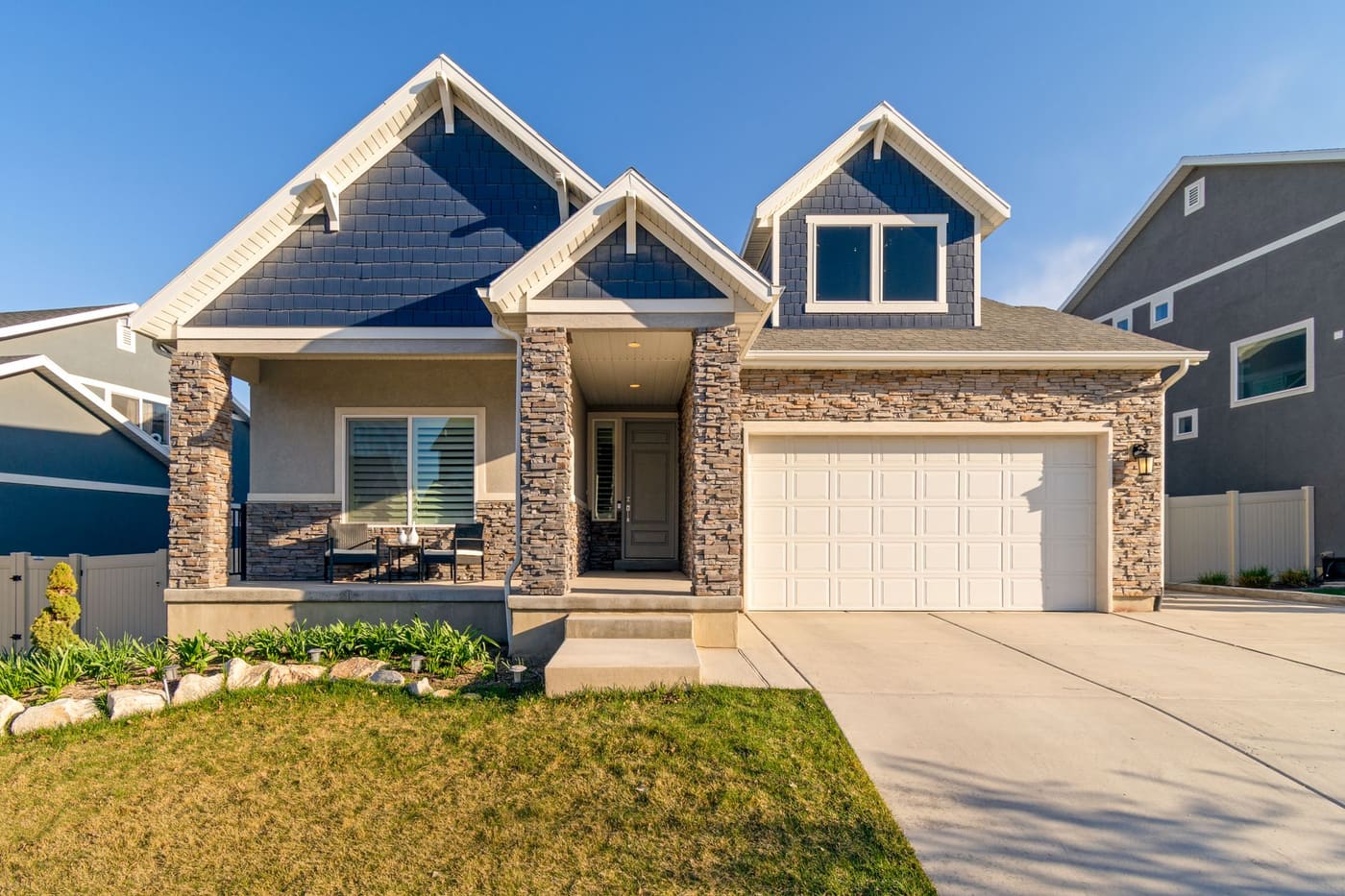
A standard homeowners policy (the common HO-3 form) covers the structure of your home, your belongings, your liability if someone is hurt or you damage their property, and extra living costs if a covered loss makes the home unlivable. In the HO-3, the house itself is generally covered for any cause of loss that is not specifically excluded, while belongings are typically covered for listed causes. Flood, earthquake, and routine wear and maintenance are among the major exclusions.
Many homeowners learn what is excluded only when they file a claim. This guide walks through the sections of a typical policy, what is usually covered and excluded, how payouts work, and where gaps tend to appear. It is US-centric. Policy language, endorsements, and rules vary by state and insurer, and the actual contract controls over any general description here.
The main parts of a policy
Policies are divided into coverage sections, usually lettered A through F.
| Section | What it covers |
|---|---|
| A: Dwelling | The house and attached structures such as a garage |
| B: Other structures | Detached structures such as a shed or fence |
| C: Personal property | Furniture, clothing, electronics |
| D: Loss of use | Additional living expenses after a covered loss |
| E: Personal liability | Claims for injury or damage you cause to others |
| F: Medical payments | Medical bills for people hurt on your property or by your pets |
Insurance industry descriptions of the standard form say other structures are limited to a share of the dwelling limit (up to 10% in the standard form), and personal property and loss of use limits are set as shares of the dwelling limit that differ by policy. Your declarations page, the summary at the front of the policy, lists the real numbers.
Dwelling (Coverage A)
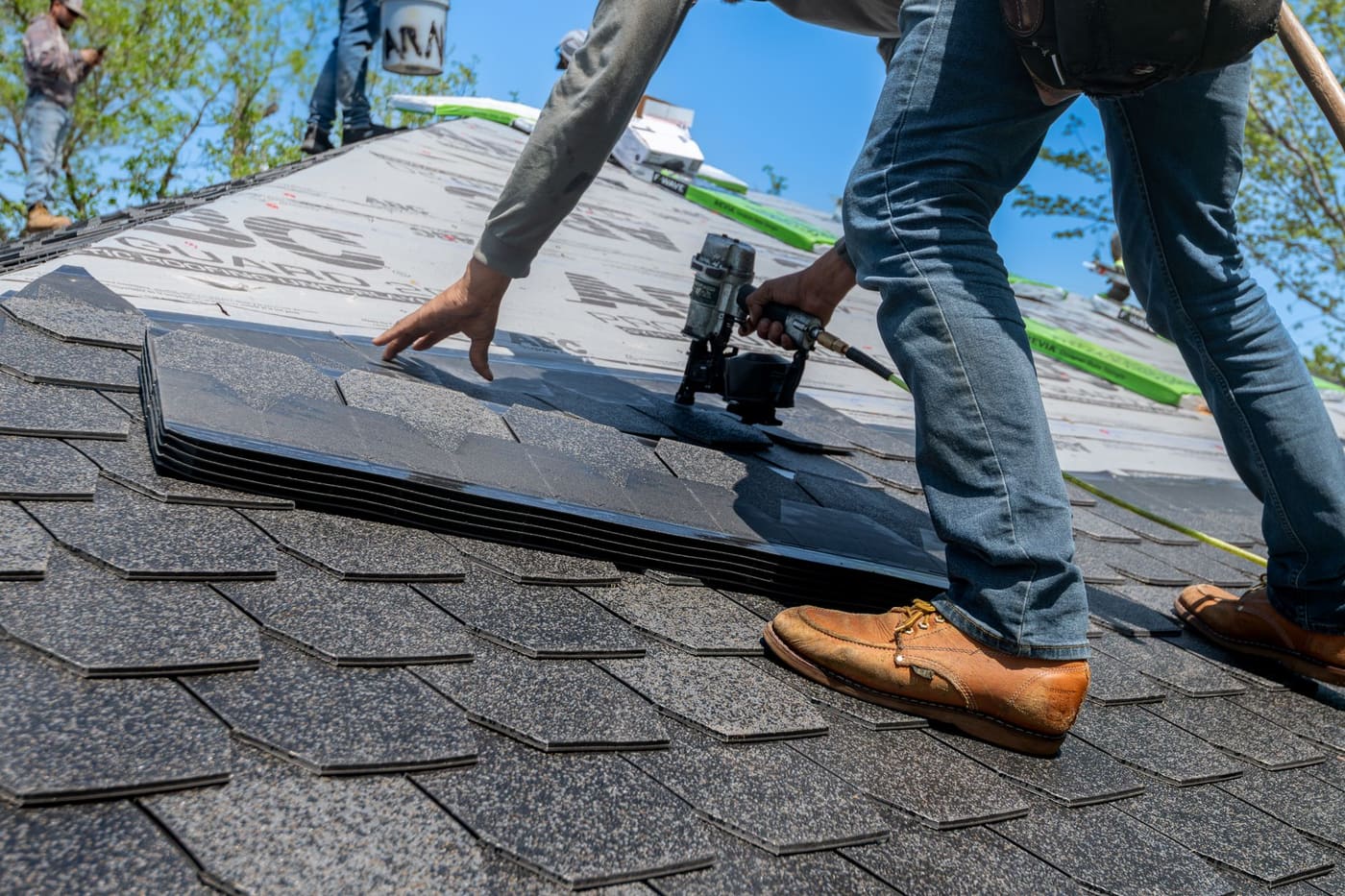
This pays to repair or rebuild the structure after a covered loss, including built-in features such as cabinets, flooring, plumbing, and wiring. The limit should reflect the cost to rebuild, not the market value or purchase price. Land is not covered. Rebuild cost depends on local labor and materials, so it can be above or below market value. Hypothetically, a home that sold for $350,000, with a large share of that value in the land, could have a rebuild cost well below the sale price. If the limit is set too low you may be underinsured, and some policies apply a penalty when you carry less than a stated percentage of replacement cost.
Personal property (Coverage C)
This covers your belongings, at home and in many cases elsewhere, usually with sub-limits. Policies often cap categories such as jewelry and watches, firearms, cash, collectibles and art, and business property kept at home. If something is worth more than its cap, a scheduled personal property endorsement can insure it for an appraised value; without one, you may be reimbursed only up to the cap.
How belongings are paid also matters. Actual cash value pays replacement cost minus depreciation. Replacement cost pays what it costs to buy a new equivalent. Replacement cost generally costs more in premium but pays more in a claim, and the difference grows for older items.
Loss of use and liability
If a covered event makes the home unlivable, loss of use coverage pays for added costs such as a hotel or short-term rental and extra meals, up to the policy limit or a time cap. Liability coverage protects you if someone is injured at your home and sues, or you accidentally damage someone else’s property; it pays for legal defense and settlements up to the limit. Medical payments coverage handles smaller bills regardless of fault. If your assets exceed your liability limit, an umbrella policy can add coverage; see when you need an umbrella insurance policy.
What is usually covered
The HO-3 insures the dwelling against all causes of loss except those listed as exclusions, while personal property is generally covered for listed perils such as:
- Fire and smoke, lightning, explosion
- Windstorm and hail (sometimes with a separate deductible)
- Theft and vandalism
- Weight of ice, snow, or sleet
- Falling objects, such as a tree on a roof
- Sudden and accidental water damage from a burst pipe or failed appliance
- Damage from vehicles or aircraft
The key words are sudden and accidental. A pipe that bursts overnight is typically covered. Long-term seepage or a slow leak that rots a cabinet over months is typically treated as a maintenance issue and not covered.
What is commonly excluded
Industry and regulator guides list these among standard exclusions, which you cover with separate policies or endorsements if you want protection:
- Flood. Rising water from rivers, storm surge, or heavy surface runoff. Separate flood insurance is available, including through a federal program, and FEMA says a flood policy generally takes effect 30 days after purchase, with exceptions such as a purchase tied to a mortgage loan.
- Earthquake and earth movement, including landslide and sinkhole in many policies.
- Sewer or drain backup, often available as an endorsement with a modest limit.
- Maintenance and wear. Roof aging, rust, rot, mold from long-term moisture, and termite or pest damage.
- Neglect and intentional loss.
- War and nuclear hazard.
- Business activity. Home-based business equipment and liability are often limited.
- Certain animal liability. Some insurers restrict coverage for specific breeds.
In some coastal areas, windstorm or hurricane coverage may be excluded and have to be bought separately or through a state program. Check your policy if you live in such an area.
How payouts and deductibles work
After a covered loss, the insurer pays the repair or replacement cost up to your limit, minus your deductible. Hypothetically, with $14,000 of covered roof damage and a $2,500 deductible, the insurer pays $11,500, assuming adequate limits and no other conditions. Many policies use a percentage deductible for wind or hail, calculated on the dwelling limit, so check whether you could pay that amount; the test in whether a deductible is too high for your cash buffer can help. Some roofs are paid on a depreciated basis once they pass a certain age, even when the rest of the policy uses replacement cost, which can leave a significant gap on an older roof.
Common endorsements
- Extended or guaranteed replacement cost pays beyond the dwelling limit in defined situations.
- Ordinance or law coverage pays extra to bring a rebuilt home up to current codes.
- Water backup coverage for sewer and sump pump failures.
- Service line coverage for underground utility lines.
- Scheduled personal property for valuables.
Endorsements cost extra and not every one fits every home, so ask the agent for the cost and limit of each.
Mistakes to avoid
- Assuming “full coverage” has a standard meaning. It does not; read the declarations page.
- Underinsuring the dwelling, which matters if rebuild costs rise faster than your limit.
- No home inventory. After a loss, proving what you owned is hard. Photos or video of each room and receipts for large items, stored outside the home, help.
- Ignoring exclusions that matter where you live, such as flood.
- Filing small claims without thinking it through. Claims can affect pricing, and practices vary by insurer and state, so ask your agent.
- Letting coverage lapse. If you have a mortgage, the lender will usually require coverage and may buy a policy on your behalf, generally at your expense, if yours lapses.
A yearly review catches drift; coverage gaps to check before renewal is a checklist for it.
To get your documents and home inventory in order, use the policy review and claim documentation checklist.
Where this comes from
This guide draws on the National Association of Insurance Commissioners’ consumer guide to home insurance, the Insurance Information Institute’s explanations of the standard homeowners form and standard exclusions, and FEMA’s guidance on flood insurance waiting periods. Policy terms, limits, and prices change and differ by insurer and state, so check current details with your state insurance department and a licensed agent.